How to Prepare Your Dog for an In‑Home Pet Sitter: A Complete Guide
Inviting an in‑home pet sitter is one of the best ways to keep your dog comfortable while you’re away—but it only works smoothly if you prepare your dog, your home, and the sitter properly. This guide walks you through everything to do before, during, and after the stay so your dog stays safe, relaxed, and well‑cared‑for.
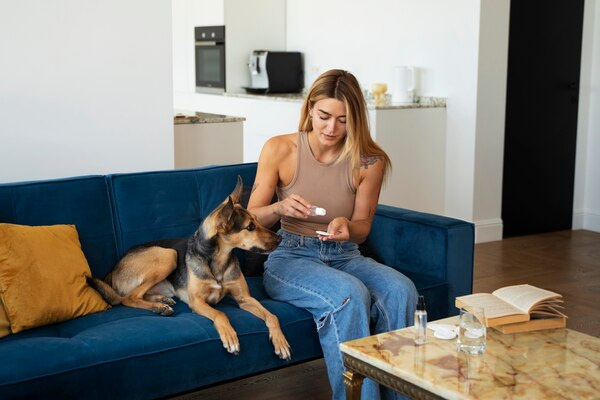
1. Decide if an In‑Home Pet Sitter Is Right for Your Dog
Before you book, honestly assess whether this option fits your dog’s personality and needs.
Dogs that typically do well with in‑home sitters:
- Enjoy their home routine and familiar environment
- Are okay with new people after a proper introduction
- Don’t require round‑the‑clock medical care
- Are not severely aggressive or extremely fearful with strangers
Dogs that may need extra planning or a different solution:
- Severe separation anxiety or history of destructive behavior when owners leave
- Human aggression or bite history
- Extreme fearfulness or trauma (rescue dogs still decompressing, etc.)
- Complex medical conditions requiring medical professionals
If you’re unsure, ask your vet or a qualified trainer whether an in‑home sitter is appropriate and what accommodations might be needed.
2. Choose the Right Pet Sitter
The person you choose matters as much as the preparation you do.
Where to look
- Professional pet‑sitting platforms (with verified reviews and insurance)
- Local pet‑sitting companies
- Recommendations from your vet, trainer, or trusted friends
- Professional organizations (e.g., Pet Sitters International, National Association of Professional Pet Sitters – depending on your region)
What to look for
- Experience with dogs like yours (breed type, size, age, energy level, special needs)
- Training knowledge (basic body language, positive reinforcement, safe handling)
- Emergency readiness (pet first aid/CPR training is a big plus)
- Insurance and references (especially for longer or overnight stays)
- Clear communication skills (responds promptly, answers questions clearly)
Questions to ask
- How long have you been pet sitting, and what kind of dogs do you usually care for?
- Are you comfortable with [your dog’s specific issues: reactivity, shyness, meds, etc.]?
- How long are your visits? Do you offer overnight stays?
- What would you do in a medical emergency?
- Are you insured or bonded? Can you provide references?
- How often will you update me, and how (text, photos, video)?
3. Schedule a Meet & Greet
A meet & greet in your home is essential. It lets the sitter learn your dog’s routine and gives your dog a chance to get comfortable before you leave.
Goals of the meet & greet
- Confirm your dog is comfortable with the sitter
- Review routine, rules, and expectations
- Show the sitter where everything is and how things work
- Go over safety and emergency procedures
How to introduce your dog to the sitter
- Keep the environment calm: no loud noises or extra visitors.
- Have your dog on a leash initially if you’re unsure how they’ll react.
- Ask the sitter to:
- Avoid looming over or staring directly at the dog
- Turn slightly sideways, speak softly, and let the dog approach first
- Offer high‑value treats (with your permission) to build a positive association
- If your dog is shy:
- Don’t force interaction (no pushing the dog toward the sitter)
- Allow the dog to observe from a safe distance
- End on a positive note as soon as your dog shows small signs of relaxation
Use this time to walk through a mini‑version of a normal visit: a short walk, feeding routine, maybe a simple play session.
4. Prepare Your Dog’s Routine and Behavior
Consistency is comforting for dogs. The closer the sitter can keep to your usual routine, the easier the transition.
Document your dog’s daily schedule
Write it out clearly. For example:
- Morning (7:00–9:00):
- Wake up, potty in backyard
- Breakfast at 7:30 (½ cup kibble + joint supplement)
- Short 15‑minute walk
- Afternoon (12:00–2:00):
- Potty break
- 20–30 minutes play (fetch, tug) or puzzle toy
- Evening (5:00–8:00):
- Dinner at 5:30
- Main walk or play session
- Calm time with chew or snuffle mat
- Night (9:00–11:00):
- Final potty break
- Bedtime in crate/dog bed/your bedroom
Include:
- Feeding times and amounts
- Typical walk times and length
- Usual nap periods
- Treat allowances and “off‑limits” foods
Clarify training rules and commands
Make a simple cheat‑sheet of the words and cues you use:
- Sit / Down / Stay / Wait
- Come / Here / Let’s go
- Leave it / Drop it
- Off (for furniture or jumping)
- Potty / Outside
- Quiet (or your chosen cue)
List:
- Behaviors that are allowed (e.g., “Dog is allowed on the couch with a blanket.”)
- Behaviors that are not allowed (e.g., “No table scraps, no tug games after 8 p.m.”)
- Any quirks (e.g., “He barks at the doorbell; please redirect with a treat scatter.”)
Ask the sitter to use your same cues to avoid confusion.
5. Prepare Your Home Environment
Your home should be set up to keep your dog safe and to make the sitter’s job straightforward.
Dog‑proof key areas
- Secure trash cans (especially in kitchen and bathroom)
- Place harmful substances out of reach:
- Cleaning products, medications, vitamins
- Toxic foods (chocolate, xylitol products, grapes, raisins, onions)
- Harmful plants
- Put away chewable hazards:
- Electrical cords, small toys, socks, shoes
- Child’s toys or anything with small parts
Show the sitter your dog’s zones
- Sleeping area (crate, bed, room where the dog is allowed)
- Feeding station and water bowls
- Allowed outdoor areas (yard, balcony—specify any off‑limits areas)
- Safe confinement areas if needed (baby‑gated rooms, crate, playpen)
If your dog is a door‑dasher, remind the sitter to:
- Use leashes before opening doors
- Keep gates and doors locked or latched
- Enter and exit calmly
6. Set Up Essential Supplies
Gather everything your sitter might need in one place or clearly label where items are stored.
For daily care
- Food (enough for the entire stay + extra, just in case)
- Treats and chews
- Food and water bowls
- Leashes (and backups), harnesses, and collars
- Waste bags and poop scooper
- Towels for dirty paws or rainy days
For comfort and enrichment
- Favorite toys (label “indestructible” vs. “supervised only”)
- Puzzle feeders and lick mats
- Favorite blankets or beds
- Long‑lasting chews (if your dog tolerates them well)
For health and safety
- Medications with clear labels and written instructions
- Supplements and how/when they’re given
- A properly fitted collar with ID tags
- Extra collar/harness and spare leash
- Muzzle if your dog needs one (e.g., vet visits, reactivity management) with clear instructions
7. Provide a Clear Care Manual
Create a simple, written “Dog & House Manual” and leave a printed copy on the counter plus a digital copy for the sitter. Include:
Dog information
- Full name, age, breed/mix, weight
- Microchip number (if applicable)
- Medical conditions, allergies, past surgeries or injuries
- Behavioral notes:
- Triggers (other dogs, men in hats, bicycles, fireworks, etc.)
- Reactivity level and what has worked to manage it
- Resource guarding (food, toys, spaces)
- Fearful reactions (storms, loud vehicles, vacuum cleaners)
Daily care checklist
- Feeding schedule and exact portions (include measuring cup or scale)
- Walk schedule and typical route suggestions
- Indoor/outdoor rules:
- Off‑limits rooms
- Furniture rules
- Yard supervision (never leave unattended, must be leashed in non‑fenced areas)
- Play preferences and games to avoid (e.g., no rough tug if dog gets overstimulated)
Emergency and vet information
- Your primary vet:
- Name, address, phone, business hours
- Nearest 24/7 emergency clinic:
- Name, address, phone, directions
- Your contact info:
- Phone, backup number, best contact times
- Emergency backup person:
- Trusted friend or family member authorized to make decisions if you’re unreachable
- Written permission for sitter to seek veterinary care on your behalf and spending limit you approve (many clinics require this).
8. Discuss Medical and Behavioral Issues Honestly
Your sitter needs full, accurate information to keep your dog safe.
Health details to share
- Chronic conditions (arthritis, heart problems, allergies, seizures)
- Current medications:
- Name, dose, timing, how to administer
- What to do if a dose is missed
- Past issues (pancreatitis, GI sensitivity, bloat, etc.)
- Early signs of distress specific to your dog (pacing, drooling, hiding, whining)
Behavioral details to share
Be completely honest—even if it’s embarrassing.
- Has your dog ever bitten or snapped at anyone? Explain context.
- Any history of aggression around food, toys, or resting spots?
- How does your dog react to:
- Strangers entering the home
- Children, men, women
- Other dogs (on leash and off leash)
- Cats or other animals
- Known escape behaviors:
- Fence jumping, door darting, digging under fences
Then provide clear management strategies you already use successfully. For example:
- “When he sees another dog, turn around and walk away 20–30 meters.”
- “Ask for ‘sit’ before opening any door.”
9. Prepare Your Dog Emotionally
You can help your dog feel more secure about the upcoming change.
Build familiarity with the sitter
- Have the sitter visit more than once if your dog is anxious or shy.
- Ask them to feed a meal or do a short walk before the actual stay.
- Practice you leaving for short periods while the sitter is there, then returning.
Use positive associations
- Sitter gives high‑value treats and engages in calm, fun activities.
- Let them play your dog’s favorite game with them.
- Keep early interactions short and successful, gradually lengthening as your dog relaxes.
Practice alone‑time skills
If your dog isn’t used to being alone:
- Gradually increase the time you step out of the house without them:
- Start with a few minutes, build up to 30–60+ minutes.
- Provide enrichment when you leave (stuffed Kong, lick mat, chew).
- Keep departures and arrivals low‑key to avoid over‑arousal.
10. Clarify House Rules and Expectations
Your sitter also needs to know how you like your home treated.
House instructions
- Security: lock doors, set alarm, use of keys or smart locks
- Lights: which to leave on, where switches are
- Heating/cooling: thermostat guidelines, windows, fans
- Where to put mail/packages
- Trash and recycling days and instructions
- Wi‑Fi password and any cameras (be honest about where they are; don’t hide them)
Boundaries and expectations
- Which rooms are off‑limits to the sitter
- Whether overnight guests are allowed (usually best to say no)
- Pet‑related expectations:
- Minimum number and length of visits or walks per day
- Any training you want continued (e.g., “wait” before meals)
- How to handle accidents, chewing, barking, etc.
Put important points in writing and review them together before the stay.
11. Plan for Emergencies
Preparing for worst‑case scenarios can prevent panic later.
Create an emergency kit
- Copies of vet records and vaccination proof
- Extra leash, collar, and ID tag
- List of medications and doses
- Muzzle (if needed) and instructions
- First‑aid kit:
- Gauze, bandages, antiseptic wipes, tweezers
- Vet‑approved ointment
- Any vet‑recommended medications for your dog (e.g., anti‑nausea)
Written instructions for:
- What to do if:
- Your dog escapes
- Your dog has a medical emergency
- There’s a fire, gas leak, or natural disaster
- Priority: ensure sitter’s safety, then the dog’s, then property.
Make sure the sitter knows where to find this information quickly.
12. The Day You Leave: Final Checklist
Before you walk out the door, double‑check that:
For your dog
- Food and treats are clearly labeled and easy to access.
- Water bowls are full and clean.
- Bed, crate, and safe spaces are set up as usual.
- Collar with ID tags is on and properly fitted.
- All medications are ready with clear labels.
For the sitter
- Written Dog & House Manual is visible (kitchen counter or table).
- Keys, access codes, and alarm instructions are confirmed.
- Emergency contact sheet is available and easy to spot.
- Payment and tipping plan are clarified (or scheduled through the platform).
- You’ve reconfirmed:
- Visit times or arrival/departure times for overnights
- How often they’ll send updates
Keep your goodbye to your dog calm and matter‑of‑fact. Overly emotional departures can increase anxiety.
13. Stay Connected While You’re Away
Clear communication keeps everyone more relaxed.
Agree on an update schedule
- Daily message with:
- Photos or short videos
- Report on meals, bathroom breaks, walks, and mood
- Immediate contact if:
- Dog refuses food for more than one meal
- Vomiting, diarrhea, or limping appears
- Any unusual behavior (excessive hiding, whining, pacing)
Make sure the sitter knows whether to text, call, or message through a platform—and what to do if they can’t reach you.
14. Returning Home: Transition Smoothly
When you get back, help your dog ease back into the usual routine.
What to do when you arrive
- Greet your dog calmly but warmly.
- Take them out for a potty break immediately.
- Check water bowls, food supply, and any notes the sitter left.
- Review messages and photos if you missed any updates.
Gradual re‑adjustment
- Keep feeding and walk times as close to what the sitter followed as possible for a day or two.
- Watch for:
- Digestive changes (diarrhea, constipation)
- Lethargy or excessive hyperactivity
- Behavioral changes (clinginess, avoidance, reactivity)
Minor changes are normal; anything persistent or severe may warrant a vet or trainer check‑in.
15. Evaluate the Experience and Refine for Next Time
Use each sitter experience to improve the next one.
Assess your dog’s response
- Did your dog eat and drink normally?
- Were there any accidents or destructive behaviors?
- Did they seem generally relaxed in photos and upon your return?
Talk to the sitter
- Ask what went smoothly and what was challenging.
- Clarify any incidents or questions about behavior.
- Adjust your written instructions accordingly (feeding amounts, walk routes, enrichment ideas).
If it went well:
- Leave a detailed review (if using a platform).
- Tip fairly for good care, especially if they handled unexpected issues.
- Consider booking the same sitter for consistency—many dogs thrive with a familiar caregiver.
Final Thoughts
Preparing your dog for an in‑home pet sitter is about planning, clarity, and honesty. When you:
- Choose a sitter who suits your dog,
- Share full, accurate information,
- Set up your home thoughtfully, and
- Maintain consistent routines and communication,
you dramatically reduce stress for your dog, your sitter, and yourself. With a bit of preparation, your dog can enjoy a safe, comfortable “staycation” at home—and you can travel with genuine peace of mind.