Senior Pet Care at Home: Keeping Older Dogs and Cats Comfortable and Safe
As dogs and cats age, their needs change in ways that can be subtle at first, then more obvious over time. Caring for a senior pet at home is about more than managing medical issues; it’s about keeping them comfortable, safe, and emotionally secure in their familiar environment.
Below is a practical, home-focused guide to supporting older dogs and cats.
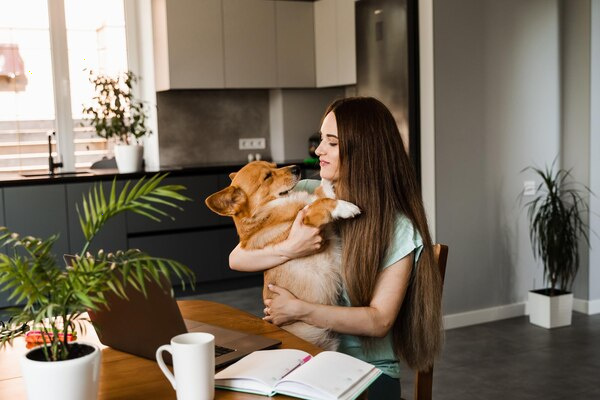
When Is a Pet “Senior”?
The age at which a pet is considered senior varies:
- Small-breed dogs: around 8–10 years
- Large/giant-breed dogs: around 6–8 years
- Cats: around 10–12 years
Instead of focusing only on age, watch for signs of aging:
- Slowing down on walks or play
- Sleeping more
- Stiffness when getting up
- Cloudy eyes or reduced hearing
- Weight gain or loss
- Changes in appetite, thirst, or behavior
These signs don’t mean a pet can’t enjoy life—they mean it’s time to adjust how you care for them.
Comfort at Home: Adapting Their Environment
Older pets benefit from a home that’s arranged with their limitations in mind.
1. Make Moving Around Easier
- Reduce stairs where possible.
- Place food, water, and beds on one main level.
- Use baby gates to block dangerous staircases.
- Provide ramps or steps.
- For getting on the couch/bed or into the car.
- Make sure surfaces are non-slip.
- Non-slip flooring.
- Use rugs, yoga mats, or runners on slippery floors to prevent falls and joint strain.
2. Create Supportive Resting Areas
- Orthopedic or memory-foam beds help reduce pressure on joints and prevent bedsores.
- For dogs with arthritis, choose low, flat beds that are easy to step into.
- For cats, offer a mix of:
- A warm, enclosed bed for security.
- A low, easily accessible resting spot with a good view (window perch with a ramp or lower height).
Place beds away from drafts and in quiet areas where they can rest undisturbed but still be near family activity.
3. Temperature and Climate Control
Older pets are often more sensitive to temperature:
- Cold: can worsen arthritis and stiffness.
- Provide blankets, heated pet pads designed for animals, or raised beds off cold floors.
- Heat: can cause overheating more quickly.
- Ensure access to cool, shaded areas.
- Avoid hot pavement and mid-day walks with senior dogs.
Pain Management and Mobility
Pain in senior pets is often under-recognized. They rarely “complain” in obvious ways.
Common signs of pain or arthritis:
- Trouble jumping, climbing stairs, or getting into the car
- Slower to lie down or get up
- Limping or stiffness, especially after rest
- Irritability, growling, or hiding when touched
- Decreased grooming in cats
Work with Your Veterinarian
Regular vet visits (at least every 6–12 months, often more for seniors) are key to:
- Assess pain and mobility.
- Adjust medications safely.
- Monitor organ function (kidneys, liver, heart) with bloodwork.
Never give human pain medication (like ibuprofen, acetaminophen, or naproxen); many are toxic to pets.
At-Home Comfort Measures
- Moderate, gentle exercise:
- Short, frequent walks for dogs rather than long ones.
- Controlled play sessions instead of intense running or jumping.
- Weight control:
- Extra weight significantly worsens joint pain.
- Ask your vet about ideal weight and suitable diets.
- Supportive harnesses or slings for dogs to help with stairs and getting up.
- Low-sided litter boxes for cats with arthritis; avoid tall rims and covered boxes if they’re hard to enter.
Some pets benefit from:
- Joint supplements (e.g., glucosamine, chondroitin, omega-3 fatty acids) as recommended by a vet.
- Physical therapy, acupuncture, laser therapy, or hydrotherapy when available.
Nutrition and Hydration
Metabolism and health conditions often change with age.
Adjusting Diet
- Senior or “mature” formulas often have:
- Adjusted calories for lower activity.
- Specific nutrients for joint, kidney, or heart support.
- For pets with medical conditions (kidney disease, diabetes, heart disease, GI issues), use vet-recommended prescription diets.
Avoid overfeeding; gradual weight loss, if needed, can greatly improve comfort.
Encourage Hydration
- Keep multiple bowls of fresh water around the house.
- For cats:
- Try water fountains—many cats prefer running water.
- Offer both ceramic/stainless-steel bowls and different locations.
- Wet food can increase water intake and may be easier to eat for pets with dental issues.
Changes in thirst (drinking more or less) can be a sign of medical problems and should be checked by a vet.
Dental Health
Oral health has a big impact on comfort, appetite, and overall health.
Signs of dental problems:
- Bad breath
- Drooling
- Dropping food or chewing on one side
- Pawing at the mouth
- Reluctance to eat hard food or chew toys
At home:
- Brush teeth if your pet tolerates it (slowly introduce with pet-safe toothpaste only).
- Provide appropriate dental chews (for dogs) as recommended by your vet.
Professional dental cleanings under anesthesia may still be safe for many seniors when properly evaluated; they can greatly improve comfort and quality of life.
Vision, Hearing, and Cognitive Changes
Senior pets may lose some senses or develop “doggy” or “kitty” dementia (cognitive dysfunction).
Supporting Vision Changes
- Keep furniture, beds, and litter boxes in consistent locations.
- Avoid sudden rearranging of rooms.
- Use nightlights in hallways and near food/water areas.
- For dogs, use verbal cues and light touch (gently tapping the floor, guiding with a hand on the chest or harness).
Supporting Hearing Loss
- Switch from verbal to visual cues:
- Hand signals for dogs.
- Flashing lights as a cue to come (never to startle).
- Approach gently, where they can see you.
- Wake them by lightly vibrating the surface they’re lying on instead of sudden touch.
Cognitive Dysfunction (Pet Dementia)
Signs can include:
- Disorientation (getting “stuck” in corners, staring at walls)
- Changes in sleep-wake cycles (restless at night)
- Accidents in the house or outside the litter box
- Seeming “forgetful” of routines
- Increased anxiety or vocalization
What helps:
- Consistent daily routines.
- Gentle physical and mental exercise:
- For dogs: simple training games, snuffle mats, puzzle feeders.
- For cats: short play sessions with toys, food puzzles, scent-based enrichment.
- Nightlights and calming routines before bedtime.
Ask your vet about medications or supplements that can support cognitive function.
Bathroom Needs and Cleanliness
For Senior Dogs
- More frequent bathroom breaks; older dogs often can’t “hold it” as long.
- Easy access to the yard:
- A ramp instead of stairs if needed.
- Non-slip surfaces near doors.
- If accidents occur:
- Use washable rugs and pet-safe cleaning products.
- Consider doggy diapers or belly bands for certain conditions, with careful skin care.
For Senior Cats
- More and easier-access litter boxes—one per cat plus one extra is a good rule.
- Place boxes:
- On each main floor of the home.
- Away from noisy appliances and high-traffic areas.
- Choose:
- Low-entry boxes or cut-down sides for arthritic cats.
- Unscented, fine-grained litter that is easy on sensitive paws.
Any sudden bathroom change (more frequent urination, straining, blood, or avoiding the box) needs prompt veterinary attention.
Emotional Well-Being and Routine
Senior pets often become more attached to their routines and their people.
- Keep a stable routine for feeding, walks, play, and bedtime.
- Provide gentle attention:
- Soft petting, brushing (if they enjoy it), quiet time together.
- Allow them more control:
- Let them choose when to rest vs. interact.
- Respect signs they’ve had enough handling or play.
Separation anxiety can appear or worsen in older pets. Consider:
- Leaving familiar clothing with your scent.
- Calming supplements, pheromone diffusers, or vet-prescribed medications when necessary.
Monitoring Health at Home
Subtle changes over time are easier to catch if you have a system.
Consider keeping a simple senior pet journal or using an app to track:
- Appetite and drinking
- Weight (monthly for most pets; more often if recommended)
- Mobility and activity level
- Bathroom habits
- Behavior changes (confusion, anxiety, sleep pattern)
- Any coughing, sneezing, vomiting, or diarrhea
Red flags that require veterinary attention:
- Sudden or significant changes in appetite or thirst
- Rapid weight loss or gain
- Difficulty breathing or persistent coughing
- Repeated vomiting or diarrhea
- Struggling to urinate or defecate
- Collapse, severe weakness, or inability to stand
Safety Tips to Prevent Injuries
- Remove tripping hazards: loose cords, clutter, slippery throw rugs.
- Block off dangerous areas: stairs, balconies, pools, or areas where they could get stuck.
- Secure trash and toxic items: older pets may still explore, and reduced senses can make them less cautious.
- Check for household toxins: human medications, certain foods (chocolate, grapes, onions), cleaning supplies, plants, and essential oils can be harmful—store them safely.
End-of-Life Comfort and Quality of Life
As pets reach very advanced age or serious illness, the focus often shifts from cure to comfort.
Things to consider:
- Are they eating and drinking reasonably well?
- Are pain and nausea well-controlled?
- Can they move enough to access food, water, and a comfortable resting place?
- Do they still enjoy some daily pleasures (attention, favorite treats, gentle walks, sunbathing)?
Your veterinarian can help you assess quality of life and support home-based palliative care:
- Pain and anxiety medications
- Anti-nausea or appetite-supporting treatments
- In some cases, hospice services or home visits
This stage is emotionally difficult, but thoughtful comfort care at home can give an older pet peace, dignity, and love at the end of life.
Final Thoughts
Senior dogs and cats don’t need to be “fixed” to have a good life—they need thoughtful adjustments, consistent vet care, and patience. By adapting your home, paying attention to subtle changes, and supporting their physical and emotional needs, you can help your older pet stay comfortable and safe for as long as possible.
In many ways, caring for a senior pet deepens the bond you share: slower walks, quieter evenings, and a daily rhythm centered on making their remaining years as gentle and content as they deserve.